
Around Terraz
Culture and gastronomy near the hotel, in Estremoz, Vila Viçosa, Évora, Borba and Redondo.
Estremoz
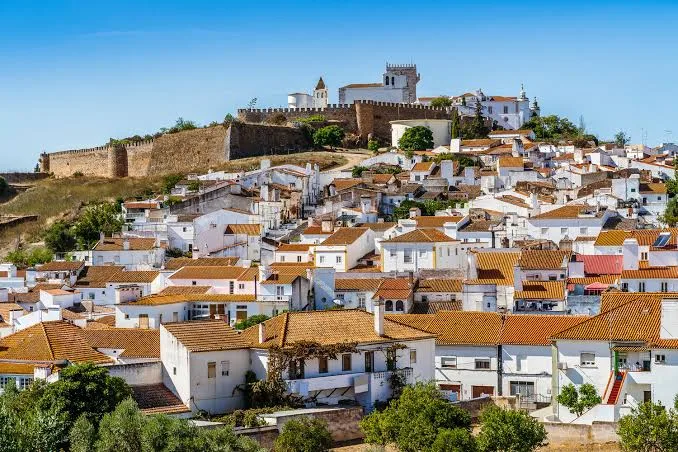
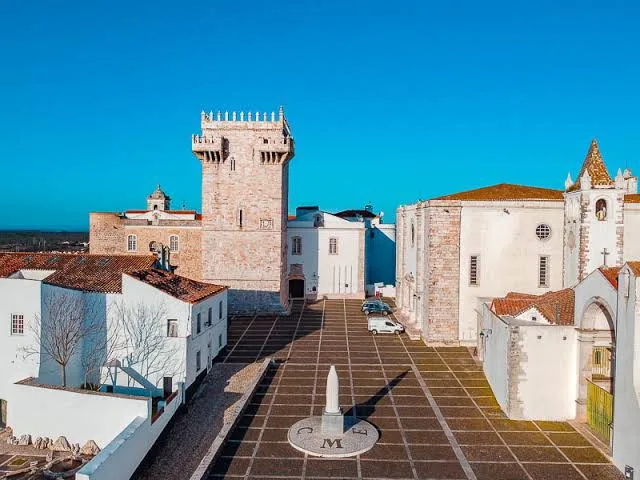
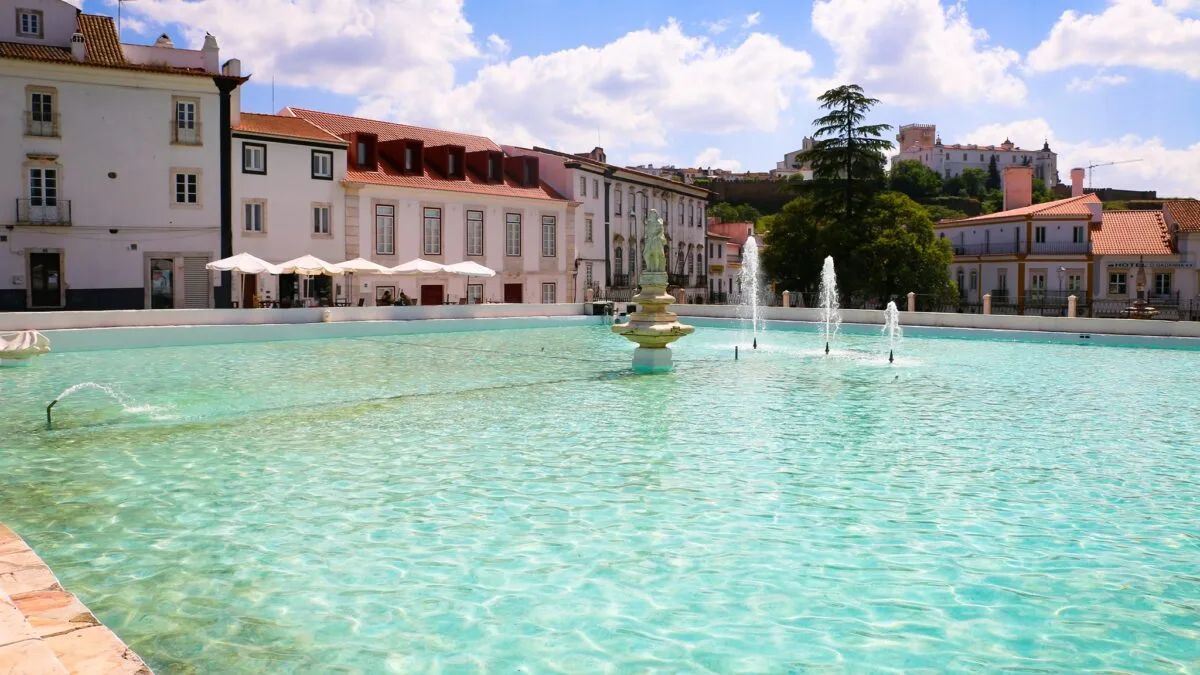
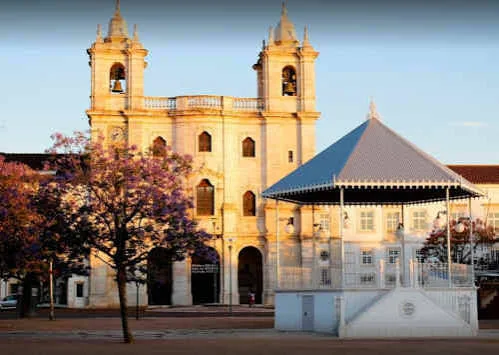
Estremoz is a historic town in the Alentejo region, in the district of Évora, known as the ‘white town’ due to its rich marble deposits.
Culture & nature
3 places
Estremoz is a historic town in the Alentejo region, in the district of Évora, known as the ‘white town’ due to its rich marble deposits.
3 places
Estremoz is a historic town in the Alentejo region, in the district of Évora, known as the ‘white town’ due to its rich marble deposits.
3 places
Estremoz is a historic town in the Alentejo region, in the district of Évora, known as the ‘white town’ due to its rich marble deposits.
- Culture & nature
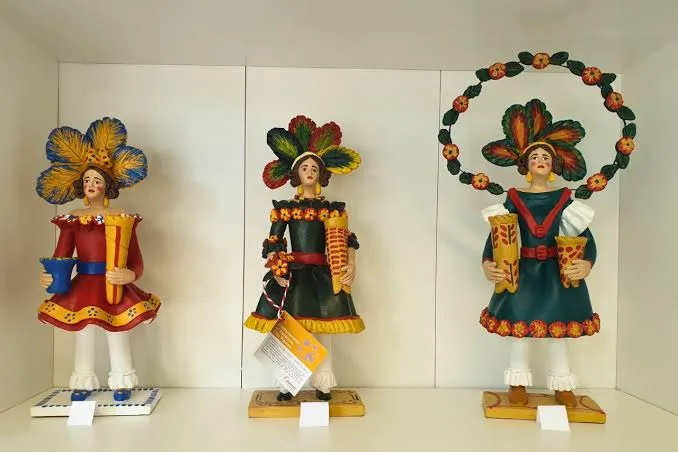
Interpretive Center for the Estremoz Figure
Estremoz · ~10 km from Terraz
3 places
Estremoz is a historic town in the Alentejo region, in the district of Évora, known as the ‘white town’ due to its rich marble deposits.
3 places
Estremoz is a historic town in the Alentejo region, in the district of Évora, known as the ‘white town’ due to its rich marble deposits.
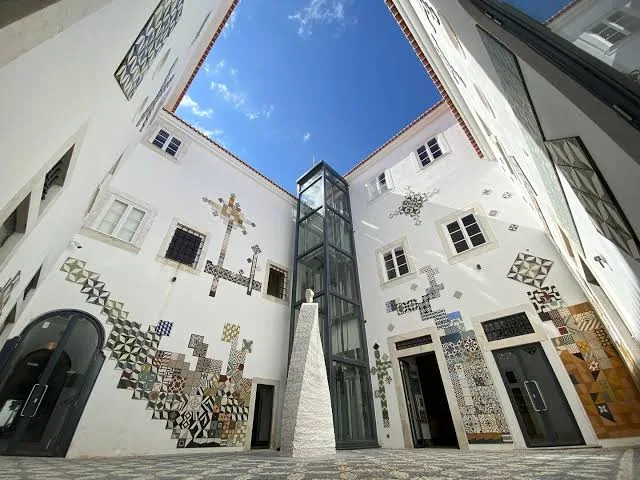
Gastronomy
3 places
Estremoz is a historic town in the Alentejo region, in the district of Évora, known as the ‘white town’ due to its rich marble deposits.
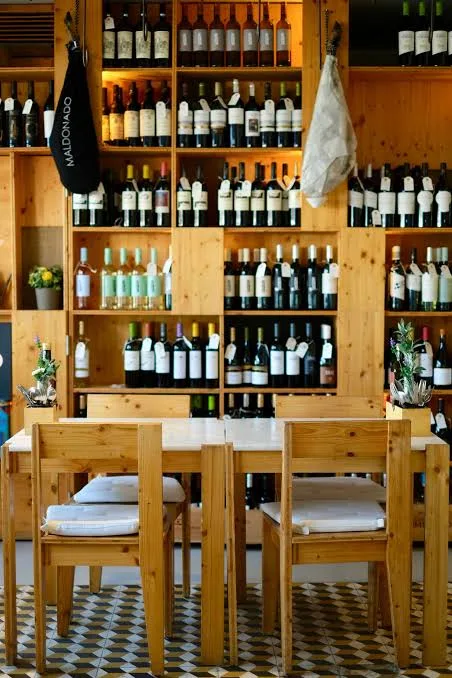
3 places
Estremoz is a historic town in the Alentejo region, in the district of Évora, known as the ‘white town’ due to its rich marble deposits.
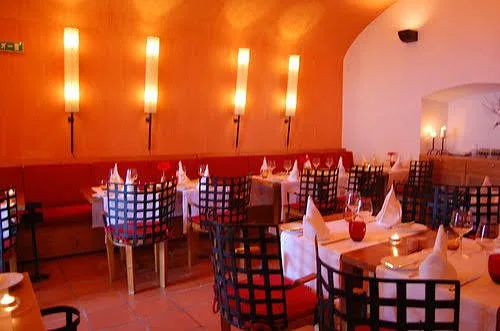
3 places
Estremoz is a historic town in the Alentejo region, in the district of Évora, known as the ‘white town’ due to its rich marble deposits.
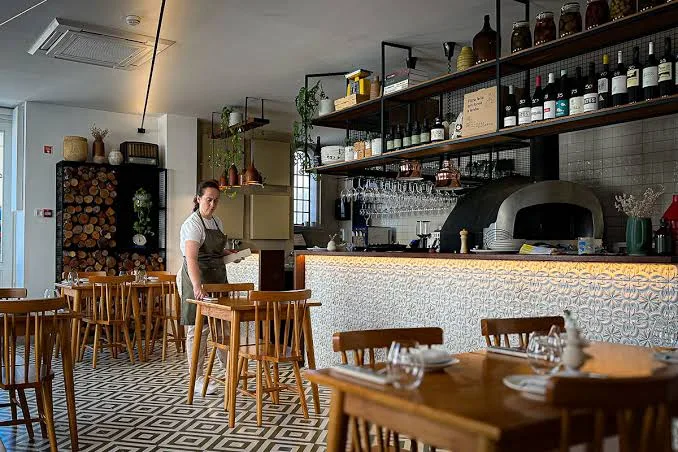
3 places
Estremoz is a historic town in the Alentejo region, in the district of Évora, known as the ‘white town’ due to its rich marble deposits.
3 places
Estremoz is a historic town in the Alentejo region, in the district of Évora, known as the ‘white town’ due to its rich marble deposits.
3 places
Estremoz is a historic town in the Alentejo region, in the district of Évora, known as the ‘white town’ due to its rich marble deposits.
3 places
Estremoz is a historic town in the Alentejo region, in the district of Évora, known as the ‘white town’ due to its rich marble deposits.
Vila Viçosa
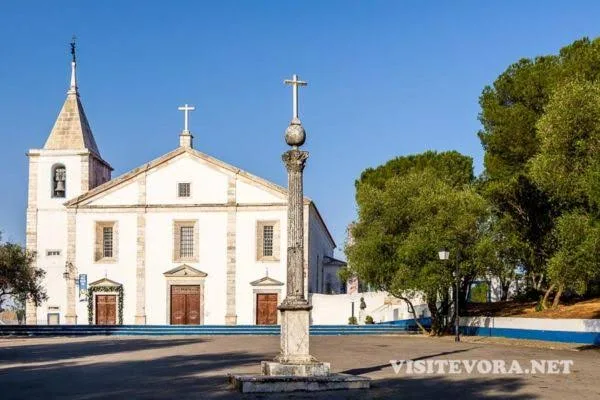
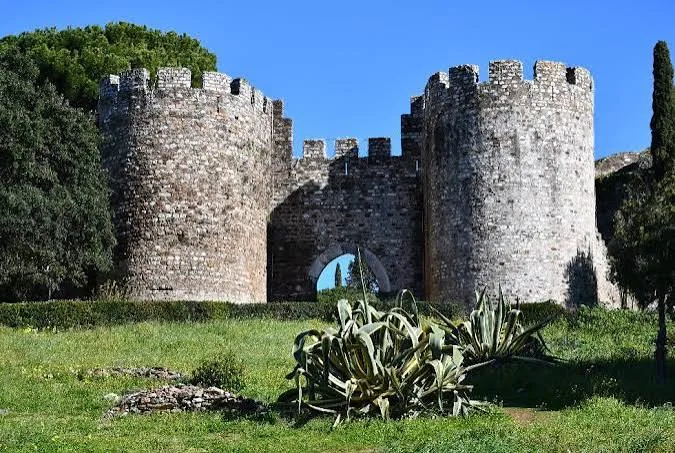
Vila Viçosa, in the Alto Alentejo, is the ‘Princess of the Alentejo’ and the ‘Marble Capital’. Renowned for its heritage linked to the House of Bragança, it is home to the majestic Ducal Palace and its castle, whilst the National Shrine of Nossa Senhora da Conceição is also a highlight. Its unique identity blends fine stone, history and the poetry of Florbela Espanca.
Culture & nature
3 places
Vila Viçosa, in the Alto Alentejo, is the ‘Princess of the Alentejo’ and the ‘Marble Capital’. Renowned for its heritage linked to the House of Bragança, it is home to the majestic Ducal Palace and its castle, whilst the National Shrine of Nossa Senhora da Conceição is also a highlight. Its unique identity blends fine stone, history and the poetry of Florbela Espanca.
3 places
Vila Viçosa, in the Alto Alentejo, is the ‘Princess of the Alentejo’ and the ‘Marble Capital’. Renowned for its heritage linked to the House of Bragança, it is home to the majestic Ducal Palace and its castle, whilst the National Shrine of Nossa Senhora da Conceição is also a highlight. Its unique identity blends fine stone, history and the poetry of Florbela Espanca.
Gastronomy
3 places
Vila Viçosa, in the Alto Alentejo, is the ‘Princess of the Alentejo’ and the ‘Marble Capital’. Renowned for its heritage linked to the House of Bragança, it is home to the majestic Ducal Palace and its castle, whilst the National Shrine of Nossa Senhora da Conceição is also a highlight. Its unique identity blends fine stone, history and the poetry of Florbela Espanca.
3 places
Vila Viçosa, in the Alto Alentejo, is the ‘Princess of the Alentejo’ and the ‘Marble Capital’. Renowned for its heritage linked to the House of Bragança, it is home to the majestic Ducal Palace and its castle, whilst the National Shrine of Nossa Senhora da Conceição is also a highlight. Its unique identity blends fine stone, history and the poetry of Florbela Espanca.
3 places
Vila Viçosa, in the Alto Alentejo, is the ‘Princess of the Alentejo’ and the ‘Marble Capital’. Renowned for its heritage linked to the House of Bragança, it is home to the majestic Ducal Palace and its castle, whilst the National Shrine of Nossa Senhora da Conceição is also a highlight. Its unique identity blends fine stone, history and the poetry of Florbela Espanca.
3 places
Vila Viçosa, in the Alto Alentejo, is the ‘Princess of the Alentejo’ and the ‘Marble Capital’. Renowned for its heritage linked to the House of Bragança, it is home to the majestic Ducal Palace and its castle, whilst the National Shrine of Nossa Senhora da Conceição is also a highlight. Its unique identity blends fine stone, history and the poetry of Florbela Espanca.
3 places
Vila Viçosa, in the Alto Alentejo, is the ‘Princess of the Alentejo’ and the ‘Marble Capital’. Renowned for its heritage linked to the House of Bragança, it is home to the majestic Ducal Palace and its castle, whilst the National Shrine of Nossa Senhora da Conceição is also a highlight. Its unique identity blends fine stone, history and the poetry of Florbela Espanca.
3 places
Vila Viçosa, in the Alto Alentejo, is the ‘Princess of the Alentejo’ and the ‘Marble Capital’. Renowned for its heritage linked to the House of Bragança, it is home to the majestic Ducal Palace and its castle, whilst the National Shrine of Nossa Senhora da Conceição is also a highlight. Its unique identity blends fine stone, history and the poetry of Florbela Espanca.
Évora
Évora is a museum city that has been listed as a UNESCO World Heritage Site since 1986. Surrounded by well-preserved medieval walls, the city is renowned for its rich layers of history, spanning from the Roman period to the golden age of the Portuguese monarchy, for its picturesque whitewashed streets, and for its prestigious university, founded in the 16th century.
Culture & nature
3 places
Évora is a museum city that has been listed as a UNESCO World Heritage Site since 1986. Surrounded by well-preserved medieval walls, the city is renowned for its rich layers of history, spanning from the Roman period to the golden age of the Portuguese monarchy, for its picturesque whitewashed streets, and for its prestigious university, founded in the 16th century.
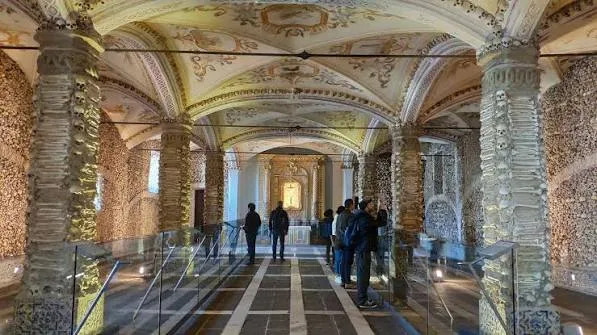
3 places
Évora is a museum city that has been listed as a UNESCO World Heritage Site since 1986. Surrounded by well-preserved medieval walls, the city is renowned for its rich layers of history, spanning from the Roman period to the golden age of the Portuguese monarchy, for its picturesque whitewashed streets, and for its prestigious university, founded in the 16th century.
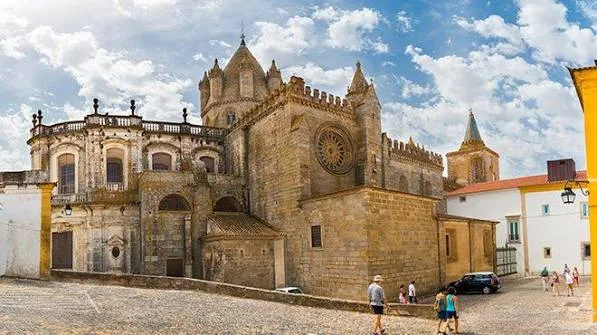
3 places
Évora is a museum city that has been listed as a UNESCO World Heritage Site since 1986. Surrounded by well-preserved medieval walls, the city is renowned for its rich layers of history, spanning from the Roman period to the golden age of the Portuguese monarchy, for its picturesque whitewashed streets, and for its prestigious university, founded in the 16th century.
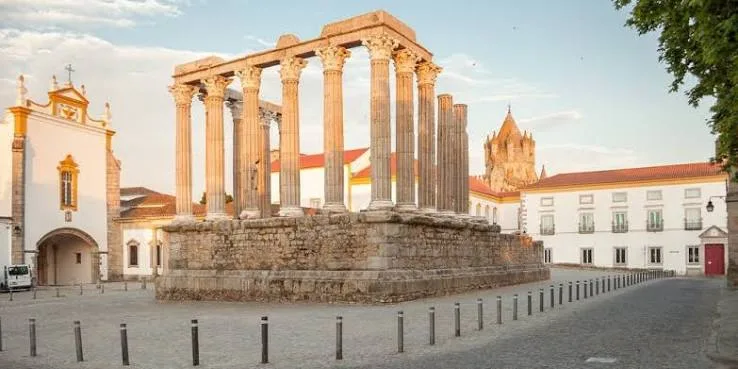
Gastronomy
3 places
Évora is a museum city that has been listed as a UNESCO World Heritage Site since 1986. Surrounded by well-preserved medieval walls, the city is renowned for its rich layers of history, spanning from the Roman period to the golden age of the Portuguese monarchy, for its picturesque whitewashed streets, and for its prestigious university, founded in the 16th century.
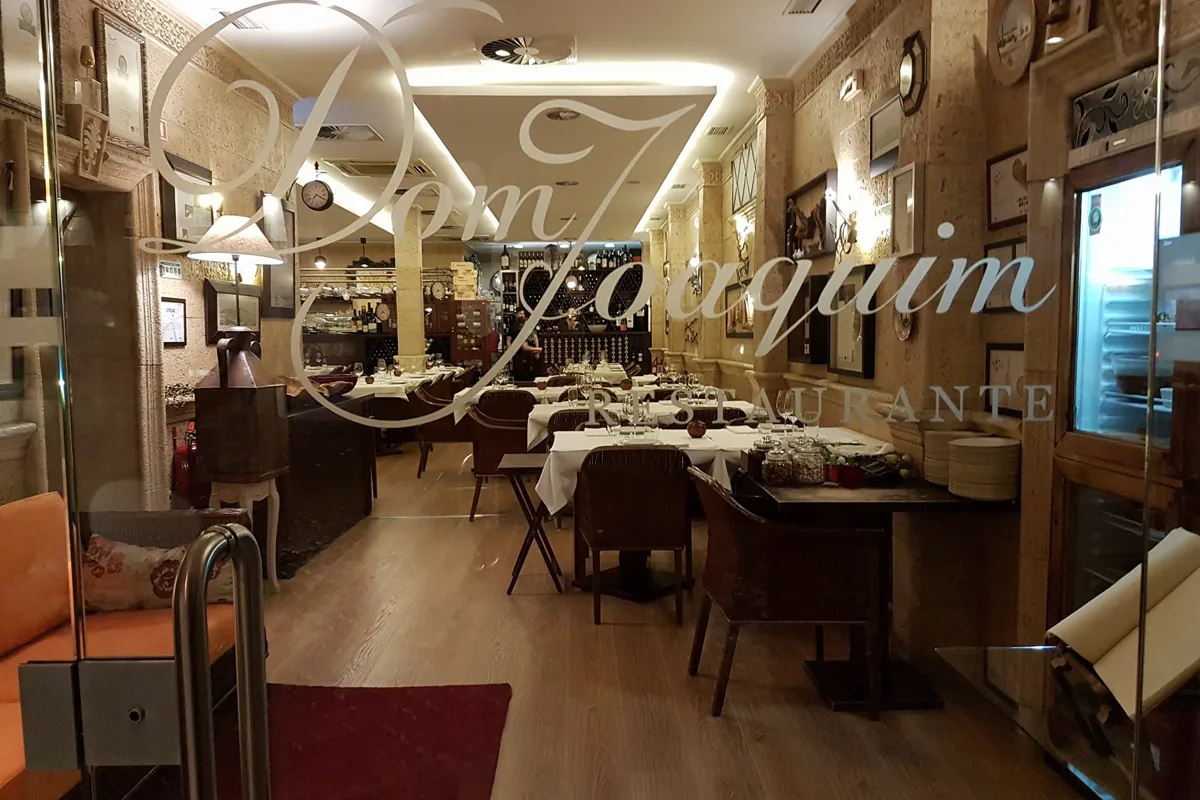
3 places
Évora is a museum city that has been listed as a UNESCO World Heritage Site since 1986. Surrounded by well-preserved medieval walls, the city is renowned for its rich layers of history, spanning from the Roman period to the golden age of the Portuguese monarchy, for its picturesque whitewashed streets, and for its prestigious university, founded in the 16th century.
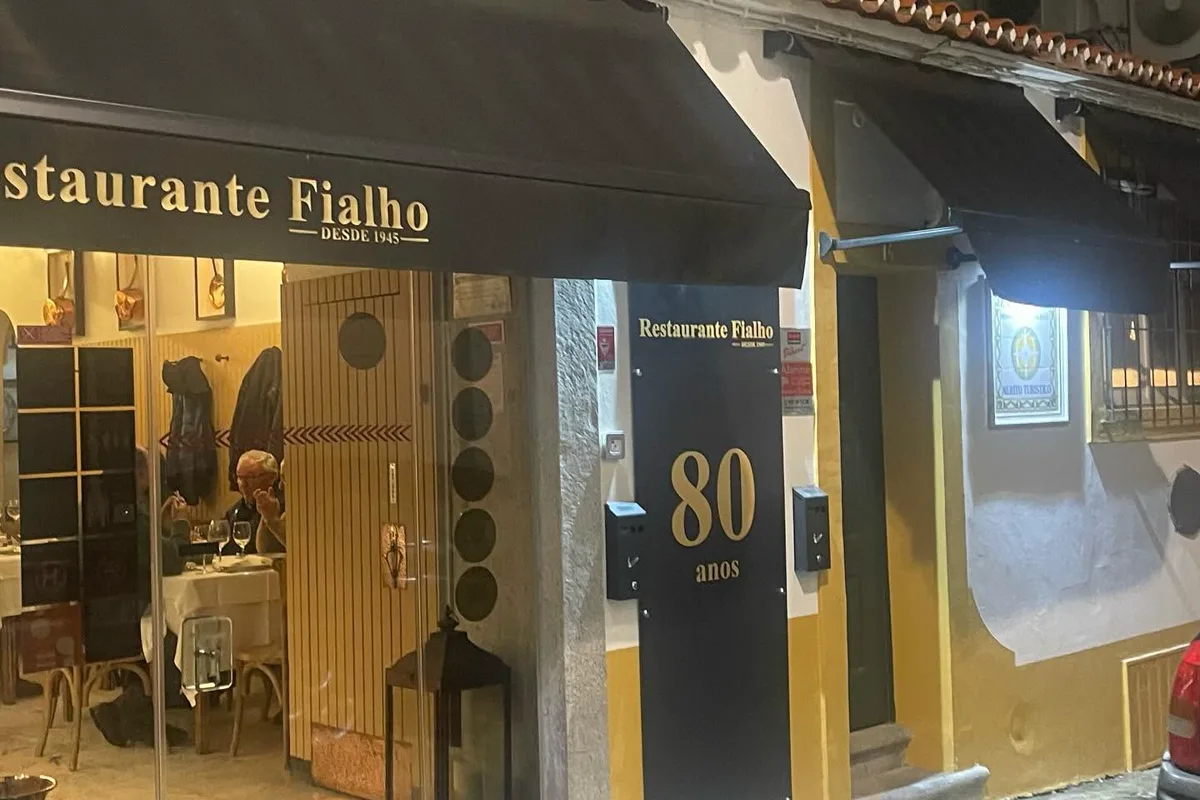
3 places
Évora is a museum city that has been listed as a UNESCO World Heritage Site since 1986. Surrounded by well-preserved medieval walls, the city is renowned for its rich layers of history, spanning from the Roman period to the golden age of the Portuguese monarchy, for its picturesque whitewashed streets, and for its prestigious university, founded in the 16th century.
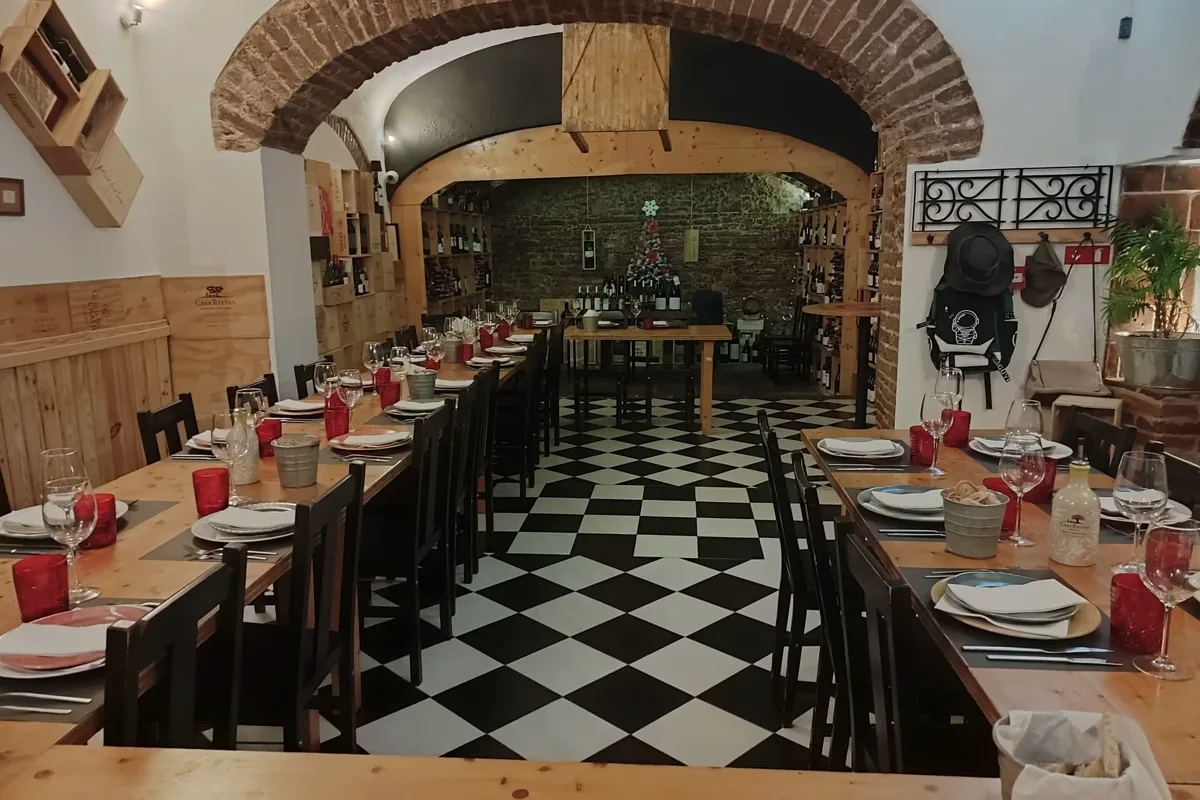
Borba
Borba is a picturesque Portuguese town situated in the district of Évora, in the Alentejo region. Regarded as the smallest town in the region, it is renowned for its strong tradition of producing renowned wines and for its extensive activity in the quarrying and processing of white marble in the so-called ‘Zona dos Mármores’.
Culture & nature
3 places
Borba is a picturesque Portuguese town situated in the district of Évora, in the Alentejo region. Regarded as the smallest town in the region, it is renowned for its strong tradition of producing renowned wines and for its extensive activity in the quarrying and processing of white marble in the so-called ‘Zona dos Mármores’.
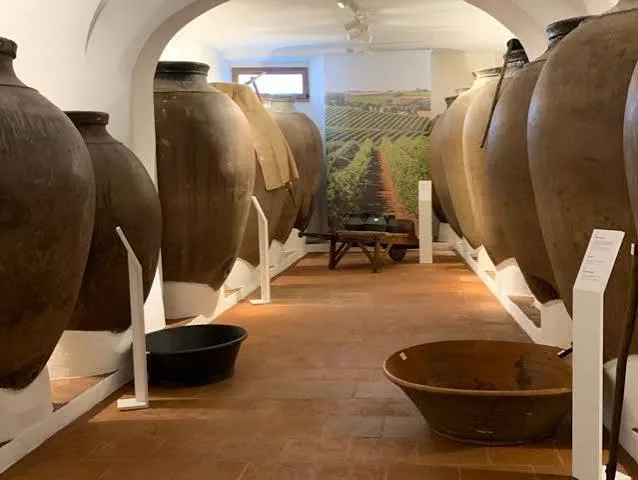
3 places
Borba is a picturesque Portuguese town situated in the district of Évora, in the Alentejo region. Regarded as the smallest town in the region, it is renowned for its strong tradition of producing renowned wines and for its extensive activity in the quarrying and processing of white marble in the so-called ‘Zona dos Mármores’.
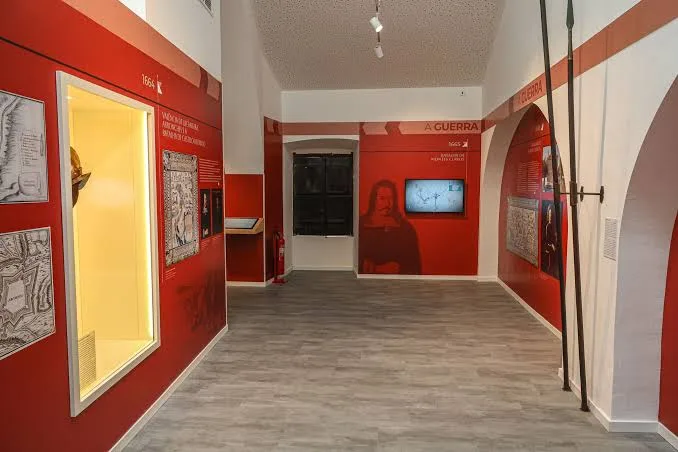
3 places
Borba is a picturesque Portuguese town situated in the district of Évora, in the Alentejo region. Regarded as the smallest town in the region, it is renowned for its strong tradition of producing renowned wines and for its extensive activity in the quarrying and processing of white marble in the so-called ‘Zona dos Mármores’.
Gastronomy
3 places
Borba is a picturesque Portuguese town situated in the district of Évora, in the Alentejo region. Regarded as the smallest town in the region, it is renowned for its strong tradition of producing renowned wines and for its extensive activity in the quarrying and processing of white marble in the so-called ‘Zona dos Mármores’.
3 places
Borba is a picturesque Portuguese town situated in the district of Évora, in the Alentejo region. Regarded as the smallest town in the region, it is renowned for its strong tradition of producing renowned wines and for its extensive activity in the quarrying and processing of white marble in the so-called ‘Zona dos Mármores’.
3 places
Borba is a picturesque Portuguese town situated in the district of Évora, in the Alentejo region. Regarded as the smallest town in the region, it is renowned for its strong tradition of producing renowned wines and for its extensive activity in the quarrying and processing of white marble in the so-called ‘Zona dos Mármores’.
3 places
Borba is a picturesque Portuguese town situated in the district of Évora, in the Alentejo region. Regarded as the smallest town in the region, it is renowned for its strong tradition of producing renowned wines and for its extensive activity in the quarrying and processing of white marble in the so-called ‘Zona dos Mármores’.
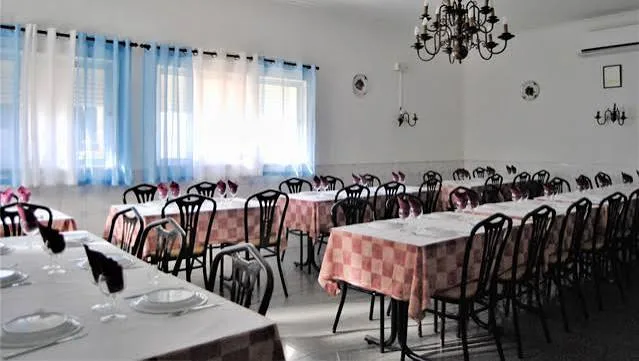
3 places
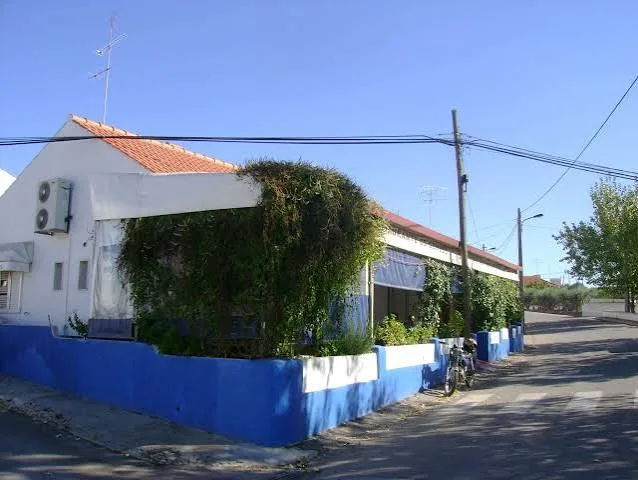
Borba is a picturesque Portuguese town situated in the district of Évora, in the Alentejo region. Regarded as the smallest town in the region, it is renowned for its strong tradition of producing renowned wines and for its extensive activity in the quarrying and processing of white marble in the so-called ‘Zona dos Mármores’.
Redondo
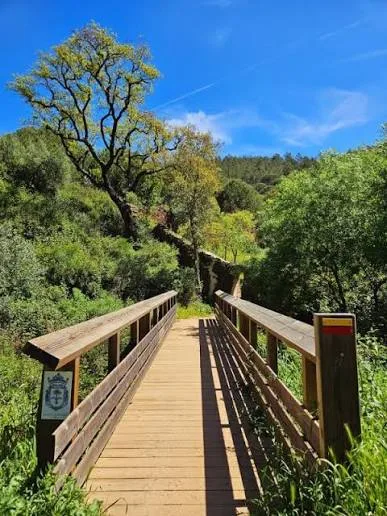
Redondo is a small town in the Alto Alentejo, at the foot of the Serra d’Ossa. It is known for its traditional clay pottery and for its wines.
Culture & nature
3 places
Redondo is a small town in the Alto Alentejo, at the foot of the Serra d’Ossa. It is known for its traditional clay pottery and for its wines.
Tried to Geocode:
Error Type:
Please be sure to follow the tutorial on how to setup the Google APIs required for the Advanced Google Map Widget.
Google Map API Key Tutorial